
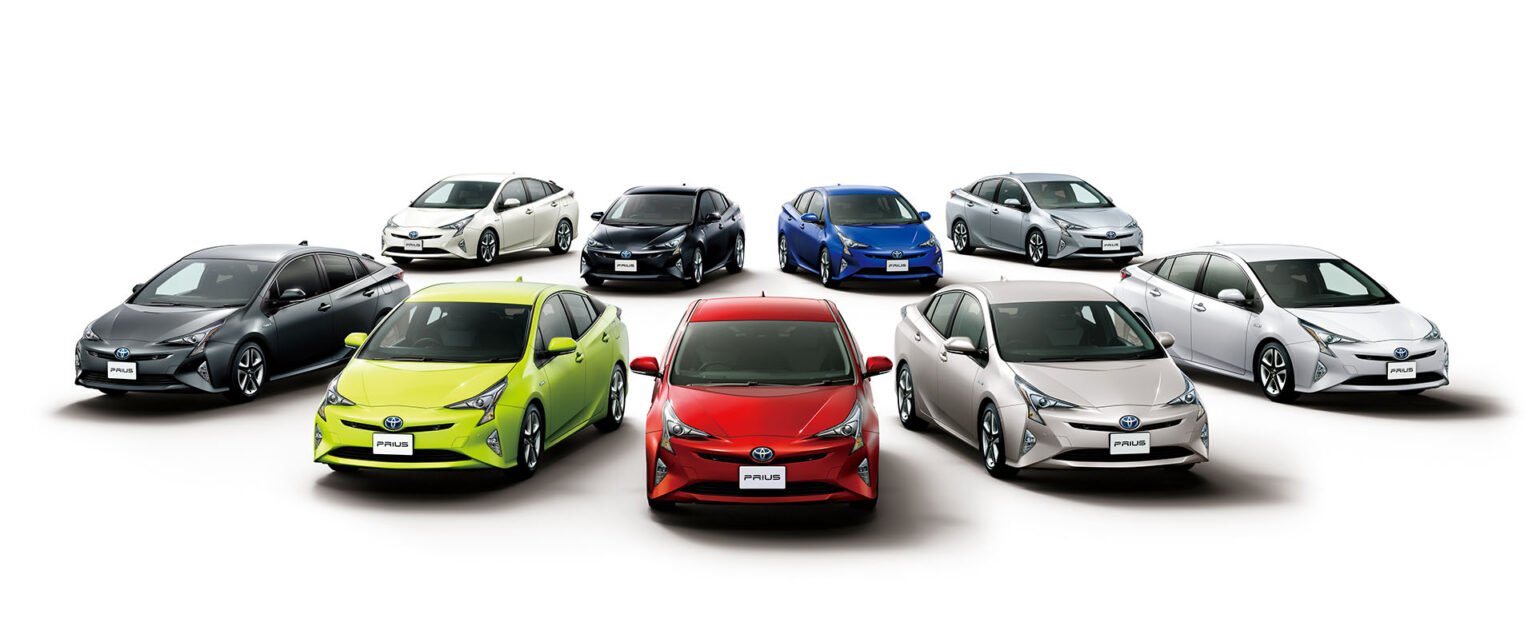

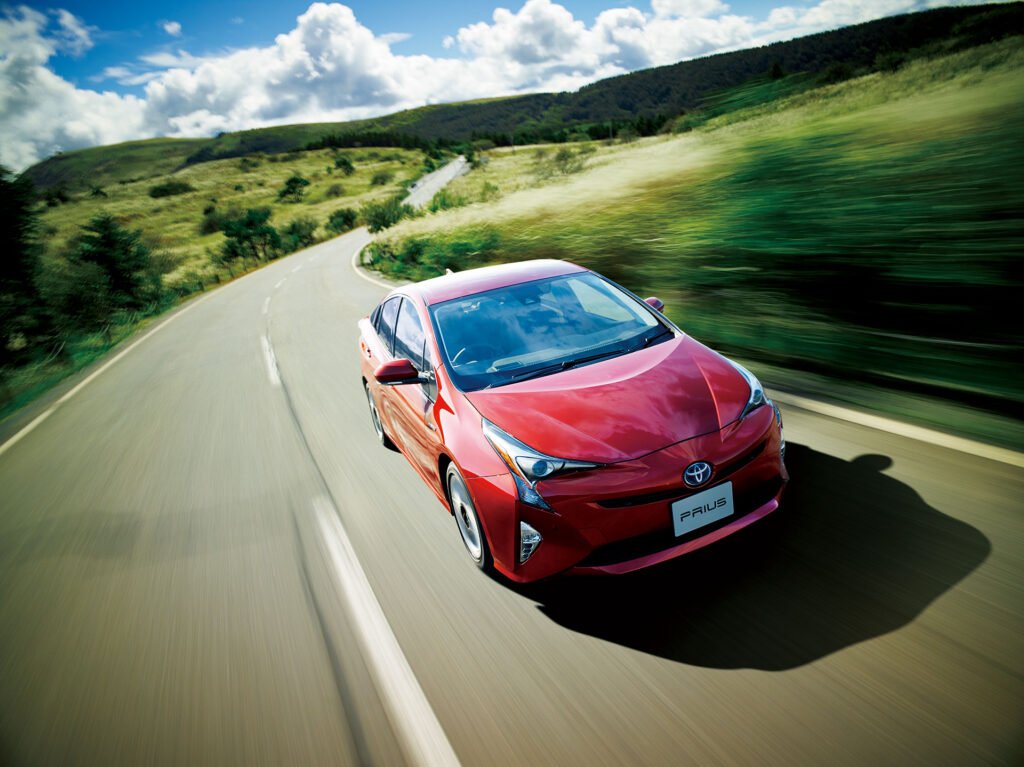
Petrol is sitting at over Rs 106 per litre in Mumbai and Rs 110 in Hyderabad right now. Every time someone fills up their tank, that sting at the pump is getting harder to ignore. So imagine finding a car that gives 40 kmpl, carries five people comfortably, looks like something out of a science fiction film, and is listed for sale right now in India for Rs 16.99 lakh. The same price as a mid-spec Tata Nexon.
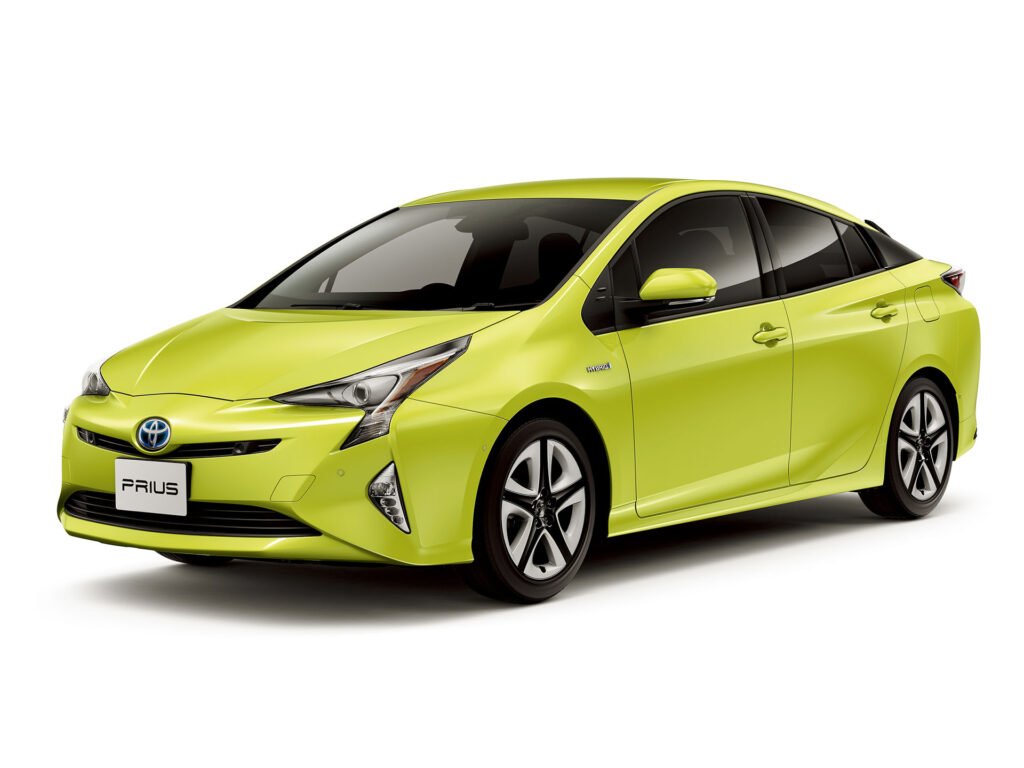
That car exists. It is the Toyota Prius, the world’s original hybrid, and there is a 2016 model currently listed on OLX in Navi Mumbai in genuinely clean condition. This unit has been imported from Japan and is in squeaky-clean condition. It is specifically designed to minimise aerodynamic drag, which in plain terms means it is built to stretch every drop of fuel as far as physically possible.
Also Read: Best Electric Scooters In India 2026 – Petrol Prices Are High, Time To Switch
Petrol At Rs 110 Per Litre: The Problem This Car Solves
For anyone filling up a 125cc scooter or a petrol hatchback right now, the fuel bill has quietly become one of the bigger monthly expenses. A car covering 40 km daily on a petrol engine doing 15 kmpl spends around Rs 2,800 to Rs 3,000 every month just on fuel at current prices. That number goes up sharply for anyone driving an SUV.
This is exactly the context in which the Toyota Prius makes its case. Not as a new car, not as an expensive luxury hybrid, but as a used import that offers fuel efficiency numbers no other car in this price bracket comes close to matching.
The Car That Started The Hybrid Revolution
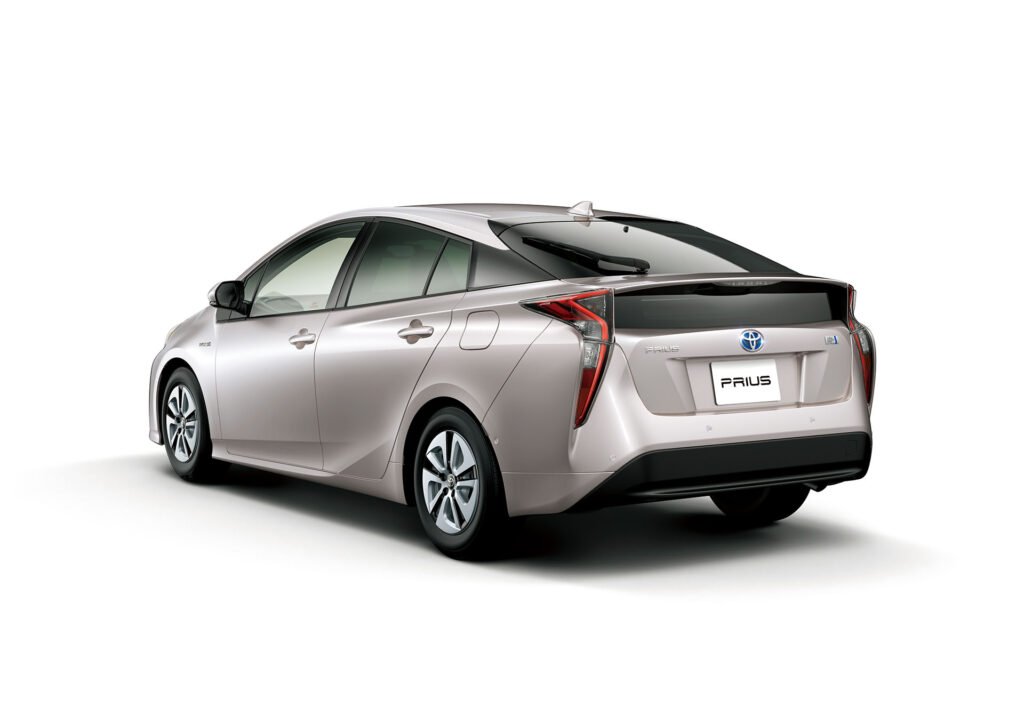
The Prius has been around since 1997. Long before hybrid badges started appearing on Maruti, Toyota, and Honda cars sold in India, the Prius was already doing this globally, convincing millions of buyers that a petrol-electric powertrain was not a gimmick but a genuinely better way to run a car. By the time the 2016 fourth-generation model arrived, Toyota had spent nearly two decades refining the system into something very reliable and very efficient.
Globally, the Prius is recognised as the Green Car, and it is the car that started the modern hybrid movement. It is the pioneer that made every other manufacturer sit up and take the petrol-electric hybrid idea seriously.
The design will not be everyone’s first choice. The Prius looks like nothing else on Indian roads, with its low roofline, fastback silhouette, and wedge-shaped nose that is almost comically aerodynamic. Seeing one on the road in India is genuinely rare, and that rarity makes it interesting in a way that most common SUVs simply are not. Anyone who grew up watching Tarzan The Wonder Car knows the feeling of being in something that stands out from the traffic around it. The Prius does exactly that, just in a much quieter and more grown-up way.
Does It Actually Give 40 KMPL? The Honest Answer
This is the question every Indian buyer will ask, and it deserves a completely straight answer.
In 2025, the Prius set a world record in fuel efficiency. It was driven from Los Angeles to New York, a 4,500 km journey covering multiple terrains, and achieved an average fuel efficiency of 2.53 litres per 100 km. That translates to around 39.5 kmpl. That is not a manufacturer claim, it is a real-world record run.
A few owners of the 2016 Prius have reported real-world mileage of around 88 MPG, which works out to approximately 37.54 kmpl, under careful driving conditions. The 40 kmpl figure is achievable, but it requires driving with some awareness, gentle acceleration, using the regenerative braking system well, and avoiding aggressive throttle inputs.
For regular Indian city driving with normal traffic stops and starts, expect somewhere between 25 and 32 kmpl. That is still dramatically better than any petrol SUV in the market, most of which return 12 to 16 kmpl in city conditions. Even at 25 kmpl in pure stop-go traffic, the Prius runs at a fuel cost that is roughly half of what a comparable petrol car would consume on the same route.
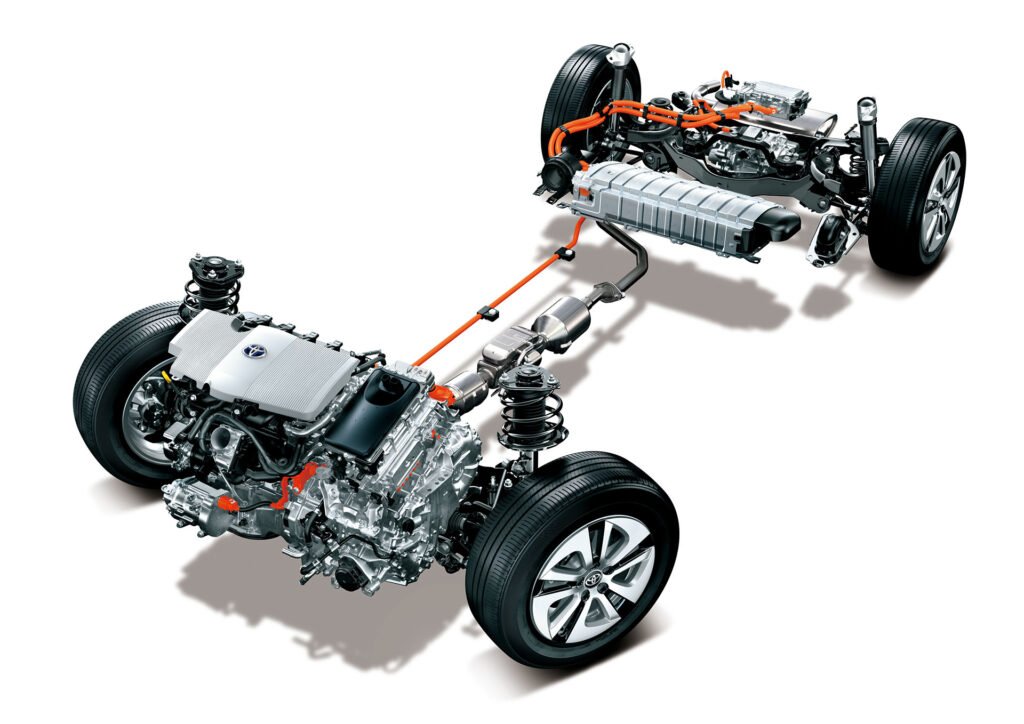
The 2016 model uses a 1.8-litre four-cylinder petrol engine paired with electric motors in a self-charging hybrid system. The engine has been tuned for better efficiency with batteries that have higher energy density and smaller, lighter motors compared to the previous generation. The efficiency improved by almost 10 per cent over its predecessor. The electric motor handles most of the work in slow city traffic and during initial acceleration from standstill, which is precisely where petrol engines are at their least efficient. The petrol engine takes over at higher speeds and simultaneously charges the battery through regenerative braking, so there is never any need to plug in.
What Rs 16.99 Lakh Gets You
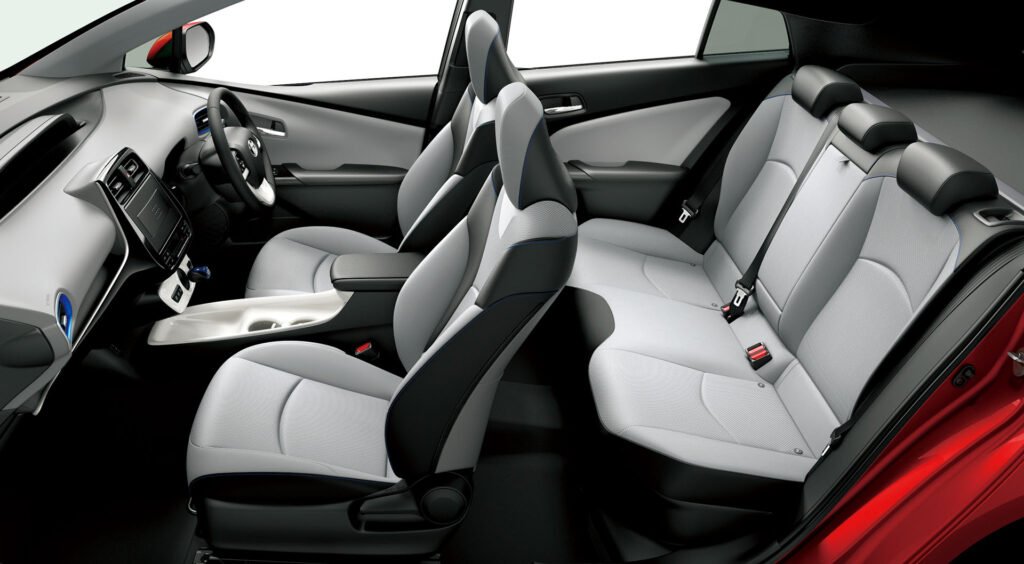
A 2016 Toyota Prius imported from Japan is currently listed on OLX in Vashi, Navi Mumbai for Rs 16.99 lakh. To understand what that represents, the Tata Nexon XZ+ petrol manual is priced at around Rs 16.50 lakh ex-showroom new. The Hyundai Creta SX petrol CVT is around Rs 17.50 lakh ex-showroom new. For the same or slightly less budget, the Prius offers a more spacious cabin, far superior fuel economy, a more premium feel, and technology that was genuinely ahead of its time in 2016.
The Prius is a full-size sedan by Indian standards. Boot space is a generous 502 litres, which is more than the Tata Nexon’s 350 litres or the Hyundai Creta’s 433 litres. Rear legroom is comfortable for adults on long journeys. The cabin quality matches what Toyota offered in the Camry of the same era, which is a noticeably higher quality of fit and finish than most cars in the Rs 15 to 20 lakh range today.
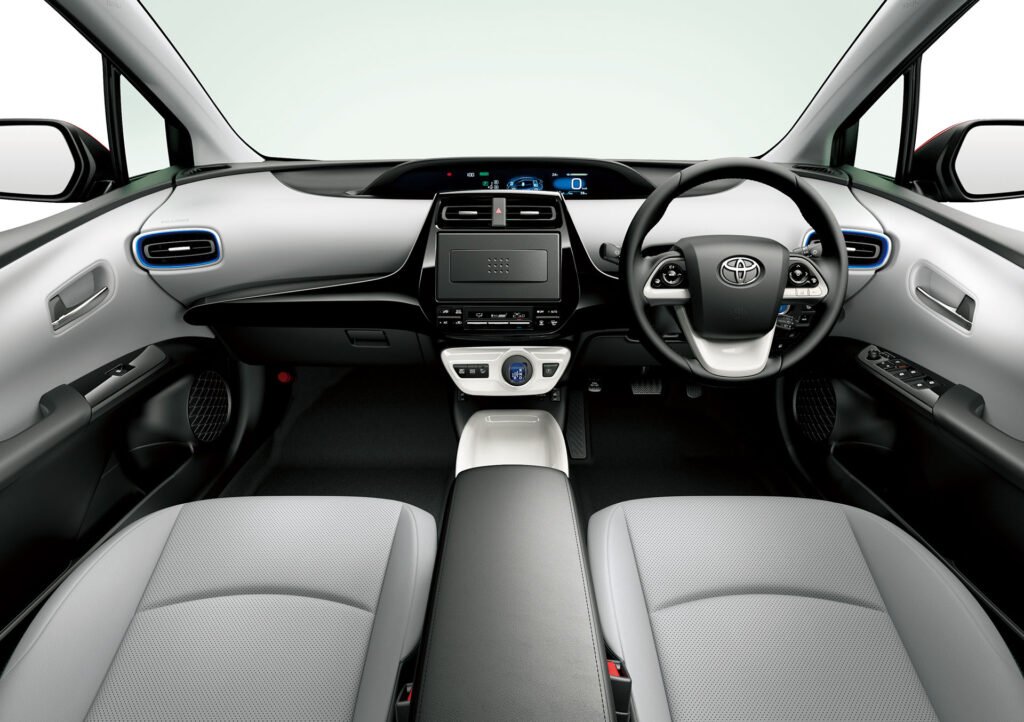
Standard features on the 2016 Prius include a touchscreen infotainment system, rear air vents, keyless entry, push-button start, and a semi-digital instrument cluster. Certain trim levels also came with a JBL sound system that still sounds better than what most new cars at this price point offer. The build quality, as expected from any Toyota of this era, is solid and has aged well.
Toyota Prius 2016 Specifications
| Specification | Details |
|---|---|
| Engine | 1.8-litre 4-cylinder petrol hybrid |
| System Power | 121 PS combined |
| Transmission | e-CVT (no clutch, no gears) |
| Claimed Mileage | Up to 40 kmpl |
| Real-World Mileage | 25 to 37 kmpl |
| Boot Space | 502 litres |
| Seating | 5 persons |
| Fuel Type | Self-charging petrol-electric hybrid |
| Listed Price (Used) | Rs 16.99 lakh |
Running Cost: Where The Real Savings Are
At Rs 106 per litre in Mumbai and a real-world mileage of 28 kmpl in city driving, the Prius costs around Rs 3.78 per km on fuel. A petrol SUV returning 13 kmpl at the same fuel price costs Rs 8.15 per km. For someone covering 50 km daily, the Prius saves around Rs 218 per day on fuel alone. That is Rs 6,500 per month and roughly Rs 78,000 per year.
Over five years, the fuel savings alone exceed Rs 3.9 lakh. That gap more than covers any price premium over a used entry-level hatchback and makes the Rs 16.99 lakh asking price look like a very different deal when total ownership cost is factored in rather than just the sticker price.
The Hybrid Battery Question
Every Prius buyer in India worries about the battery, and this concern is understandable but somewhat overblown based on actual ownership data. The 2016 Prius uses a nickel-metal-hydride battery pack. Toyota has been famously conservative about longevity claims, and global real-world data consistently shows these batteries lasting well beyond 2 lakh km without replacement. In India, where Prius units have been running as cab fleet vehicles since around 2013, aftermarket replacement battery packs are now available at Rs 30,000 to Rs 50,000.
Before buying, the battery health should be checked using a Toyota diagnostic tool or a trusted hybrid specialist. This takes around 30 minutes and clearly shows battery state of health as a percentage. Anything above 70 per cent is acceptable for normal daily use.
Things To Check Before Buying A Used Prius In India
Import documentation is the first thing to verify. The car needs proper customs clearance papers and a valid Indian registration. Any used Japanese import without clear documentation is a risk that is simply not worth taking regardless of how clean the car looks.
Service history from Japan, if available from the importer, adds significant confidence to the purchase. Japanese sellers are famously thorough about maintaining records before export.
Tyres and brakes should be inspected in person because these wear items may have been replaced with non-original parts at some point during the car’s life.
Also Read:
Should You Buy This Prius?
For a buyer covering 40 to 60 km daily in city traffic, comfortable with the used import buying process, and looking for the lowest possible running cost from a full-size car without going fully electric, the Prius at Rs 16.99 lakh with proper checks is one of the most financially compelling used car purchases available in India right now.
The fuel savings alone make the economics very clear. And there is something quietly satisfying about sitting at a petrol pump in a car that needs to stop there far less often than everything else around it.
Also Read: Toyota Hyryder Vs Maruti Grand Vitara 2026 – Which Hybrid Is Worth Buying?
6 FAQs: Toyota Prius 40 KMPL India
Q1. Does the Toyota Prius really give 40 kmpl mileage in India? The Toyota Prius 2016 achieved 39.5 kmpl during a record-setting 4,500 km drive from Los Angeles to New York in 2025. Real-world owners report 37.54 kmpl under careful driving. In Indian city traffic with normal driving style, expect 25 to 32 kmpl, which is still far ahead of any petrol SUV in the same price range.
Q2. What is the price of a used Toyota Prius in India in 2026? A 2016 Toyota Prius imported from Japan is currently listed on OLX in Navi Mumbai for Rs 16.99 lakh, placing it at the same price as a mid-spec Tata Nexon or Hyundai Creta.
Q3. Is the Toyota Prius a good buy in India in 2026? Yes, for high daily commuters looking to cut fuel costs. At 25 to 32 kmpl in city driving, the Prius saves Rs 6,000 to Rs 8,000 per month in fuel costs compared to a petrol SUV doing 13 to 15 kmpl. The hybrid battery in the 2016 model is known to last 2 lakh km or more before needing replacement.
Q4. What engine does the Toyota Prius 2016 have? The Toyota Prius 2016 uses a 1.8-litre four-cylinder petrol engine paired with electric motors in a self-charging hybrid system. Combined system output is 121 PS. It uses an e-CVT transmission and does not require external charging as the battery recharges through regenerative braking while driving.
Q5. What is the hybrid battery replacement cost for Toyota Prius in India? Aftermarket hybrid battery replacement for the Toyota Prius 2016 costs approximately Rs 30,000 to Rs 50,000 in India as of 2026. The batteries are known for high durability and typically last well beyond 2 lakh km under normal daily use.
Q6. How does the Toyota Prius compare to the Tata Nexon on running cost? The Toyota Prius running at 28 kmpl costs around Rs 3.78 per km at Rs 106 per litre in Mumbai. The Tata Nexon petrol running at 14 kmpl costs around Rs 7.57 per km at the same fuel price. Over 50 km of daily driving, the Prius saves approximately Rs 190 per day, adding up to Rs 5,700 per month and over Rs 68,000 per year in fuel alone.