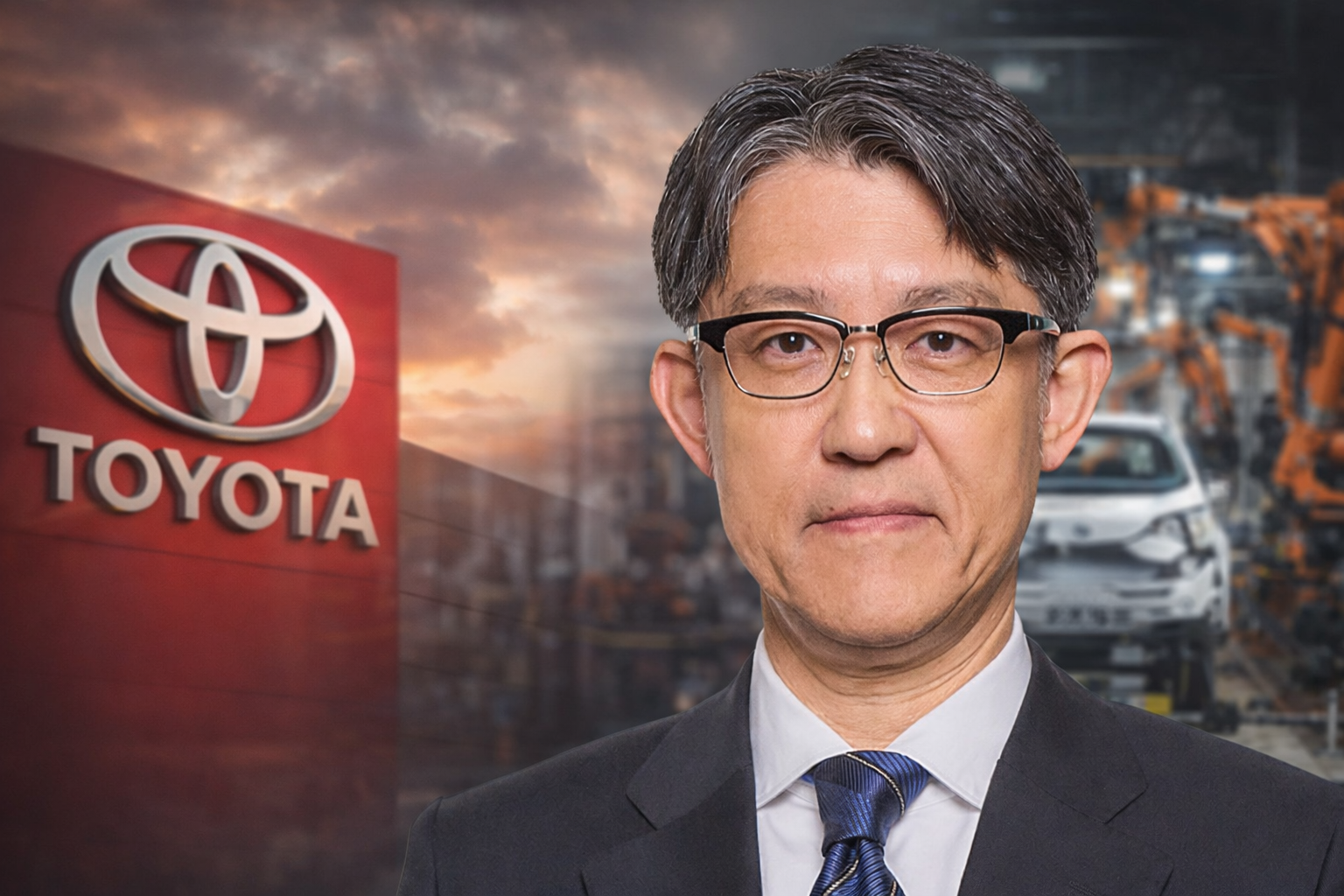

Toyota CEO Sato Warning and What It Really Means
A recent statement from Koji Sato feels different from the usual corporate talk. The toyota ceo sato warning was simple, almost blunt. He said the company may not survive if it does not change fast enough.
That line sticks. Not because it sounds dramatic, but because it came from the head of Toyota, a brand known for stability. When a company that big talks about survival, it means something deeper is happening.
This is not about one bad year or a drop in sales. In fact, Toyota is still doing strong numbers globally. The concern is about what comes next, not what already happened.
Why This Warning Feels Different
Most leaders speak carefully. They use safe words. They avoid sounding worried. This time, the message was direct.
Sato pointed toward a gap between where Toyota is and where the market is going. That gap is growing because of electric vehicles, faster competitors, and changing customer habits.
The auto industry used to move at a steady pace. Now it feels like things change every few months. That speed is uncomfortable for companies built on long-term planning.
And that is exactly where the tension is.
The Pressure Coming from Electric Vehicles
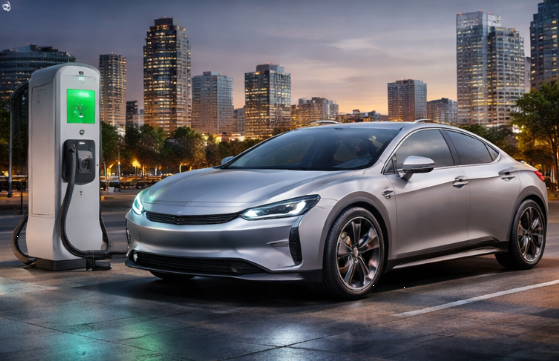
Electric cars are no longer just a trend. They are becoming normal. Governments are pushing for cleaner transport. Cities are planning restrictions on fuel cars.
At the same time, Chinese companies are moving fast. They are building electric cars that are affordable and packed with features.
Toyota spent years perfecting hybrid technology. That gave it a strong position for a long time. But hybrids are now seen as a step, not the final destination.
Buyers are starting to skip that step and go straight to electric.
That shift puts pressure on Toyota to move faster than it is used to.
A Closer Look at the Productivity Issue
One part of the toyota ceo sato warning that matters a lot is productivity.
It may sound like an internal topic, but it connects to everything you see as a customer. If production slows or costs increase, prices go up. If suppliers struggle, delivery times stretch.
Toyota is known for its production system. It has been studied around the world. So when the CEO says improvements are needed, it shows the pressure is real.
This is not about fixing one factory. It is about improving the whole chain, from suppliers to final delivery.
How This Affects Buyers Like You
This is where things get interesting. Industry pressure often leads to better choices for buyers.
When companies compete harder, they improve faster. They try to offer more value. That could mean better features, better pricing, or both.
You can already see this shift in how people search and buy.
Someone looking for a bike today is not just thinking about style. They are searching for a comfortable cruiser motorcycle that works for daily use. They are comparing options like low maintenance cruiser bike or best cruiser for beginners.
The same thinking applies to cars.
People want something practical. Easy to live with. Not expensive to maintain.
Changing Preferences in Mobility
There is a clear shift in what people expect from vehicles.
Comfort is important. Fuel efficiency matters. Running cost matters even more.
This is why interest in electric cruiser motorcycle options is growing. City riders are looking for something light and easy. A lightweight electric motorcycle makes more sense for short daily trips.
Even traditional brands are exploring this space. Royal Enfield, for example, has shown concepts like Flying Flea C6. That shows how quickly things are changing across segments.
The line between cars and bikes is not the point here. The mindset is.
Can Toyota Keep Up with the Pace
Toyota has strong roots. It has experience, scale, and trust. Those are not small advantages.
But speed is the real challenge.
Smaller companies can change direction quickly. They are not tied to old systems. They can experiment and adjust without much delay.
Toyota has to move carefully. It has to protect its reputation while adapting.
That balance is not easy.
Still, the fact that Sato addressed this openly suggests the company is ready to act. Awareness usually comes before action.
What This Warning Teaches About the Industry
There is a simple lesson here. No company can rely only on past success.
Things change. Technology changes. Customers change.
Right now, people are searching for things like best affordable cruiser motorcycle in 2025 or premium cruiser bike under budget. That shows how buyers think.
They want value. They want comfort. They want something that fits their life.
That same thinking is shaping the car market. Efficiency and usability are becoming more important than ever.
The Road Ahead for Toyota
The future is not just electric. It is practical.
Vehicles need to fit daily routines. They should not feel complicated or expensive to manage.
That is why easy to ride cruiser bike options are gaining popularity among new riders. That is why smaller EVs are becoming more common in cities.
Toyota needs to align with this reality. Not just by building electric cars, but by building cars people actually want to use every day.
Final Thoughts
The toyota ceo sato warning feels honest. It does not try to hide behind polished words.
It shows that even the biggest companies are feeling the pressure of change. And that change is happening faster than expected.
For buyers, this could be a good thing. More competition usually leads to better products.
So whether you are thinking about a car or exploring something like the best cruiser for daily commute, the coming years are likely to offer more choices.
And those choices will probably be smarter, more efficient, and easier to live with.
FAQs
What is the Toyota CEO Sato warning about?
Koji Sato warned that Toyota must improve productivity and adapt quickly to changes like electric vehicles, or it may face long-term survival challenges.
Why is this warning important?
It highlights how fast the auto industry is changing and how even large companies must adjust to stay competitive.
Is Toyota struggling right now?
Toyota is still performing well in sales, but the concern is about future competition, especially in the electric vehicle market.
How does this affect customers?
Customers may benefit from better vehicles, improved technology, and more competitive pricing as companies respond to market pressure.
What trends are shaping the future of vehicles?
Electric mobility, low running costs, comfort, and ease of use are becoming the main factors influencing buying decisions.