
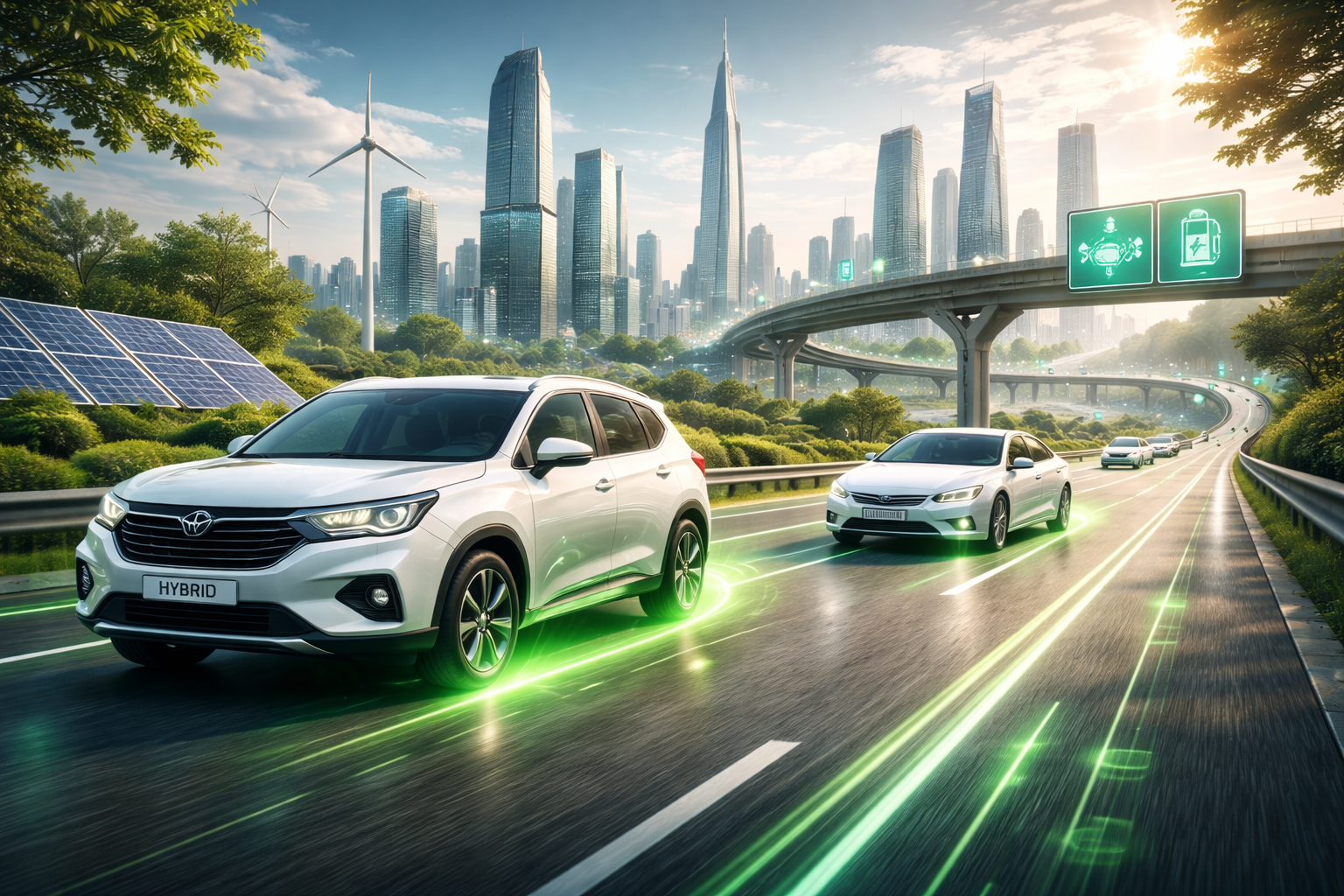

Hybrid Vehicle: A Simple Guide for Everyday Driving
The idea of a Hybrid Vehicle is becoming more common now. A few years back, most people only talked about petrol or diesel. Now things are changing. Fuel prices keep going up, and people are looking for smarter options.
A hybrid vehicle sits right in the middle. It uses both fuel and electricity. That sounds simple, but the real benefit shows up when you use it daily. Less fuel usage, smoother driving, and quieter movement in traffic.
There’s also a shift happening in policies and discussions around cleaner vehicles. Governments are encouraging better fuel options, and hybrid cars are part of that conversation.
What is a Hybrid Vehicle in Simple Words
A Hybrid Vehicle uses two types of power. One is a regular engine, and the other is an electric motor.
Both systems work together. Sometimes the car runs on fuel, sometimes on electricity, and sometimes both at once.
This setup helps reduce fuel consumption. It also lowers emissions, which is becoming important in cities.
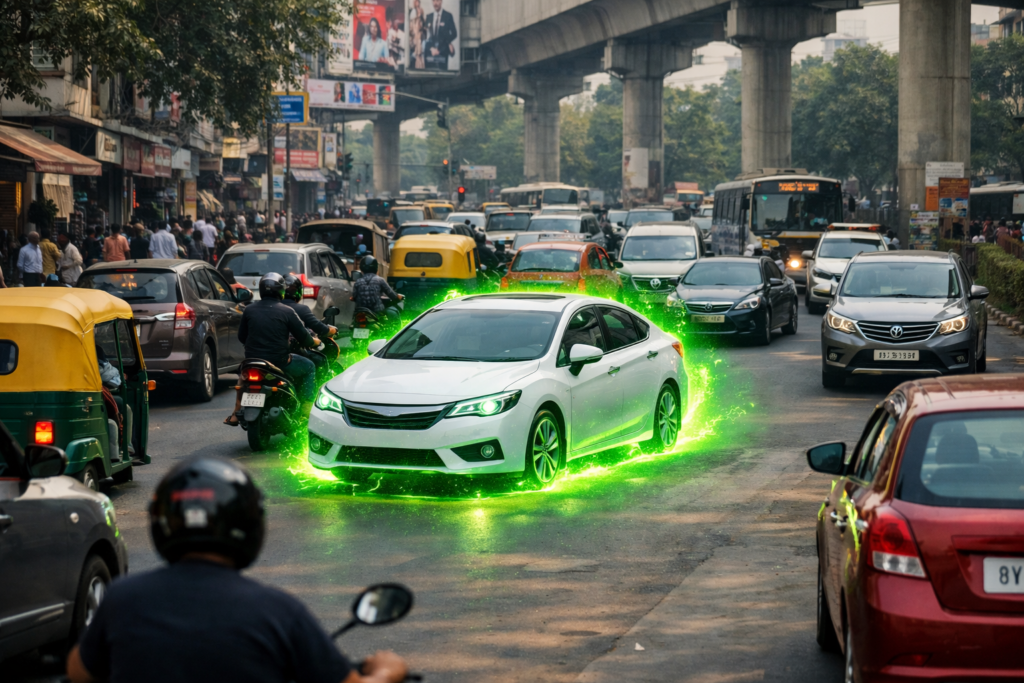
If you think about daily traffic, cars stop and go often. That’s where hybrid systems work best.
How Hybrid Vehicles Work
Engine and Electric Motor Together
The petrol engine handles higher speeds and long drives. The electric motor helps during slow speeds and traffic.
When you press the brake, energy is saved and stored in the battery. This is called regenerative braking.
That saved energy is then used again when you drive.
What You Feel While Driving
The change between engine and electric motor is usually smooth. You may not even notice it.
In heavy traffic, the car may run mostly on electric power. That reduces fuel usage.
On highways, the engine takes over more.
Types of Hybrid Vehicle
Not all hybrids are the same. There are a few types, and each works slightly differently.
Mild Hybrid
A mild hybrid helps the engine but cannot run fully on electricity. It improves mileage but still depends on fuel.
Strong Hybrid
A strong hybrid can run on electric power alone for short distances. This is more efficient in city driving.
Plug-in Hybrid
This type can be charged like an electric car. It offers a longer electric driving range.
Each type has its own use case. Your choice depends on how you plan to use the car.
Why Hybrid Vehicles Are Becoming Popular
The popularity of the Hybrid Vehicle is not random. There are clear reasons behind it.
Fuel prices are rising, and people are feeling the impact daily. A hybrid helps reduce that burden.
There’s also growing awareness about pollution. Cleaner vehicles are getting more attention.
Some policies are also supporting hybrid technology. In some cases, there are tax benefits or incentives.
Hybrid Vehicle Mileage and Efficiency
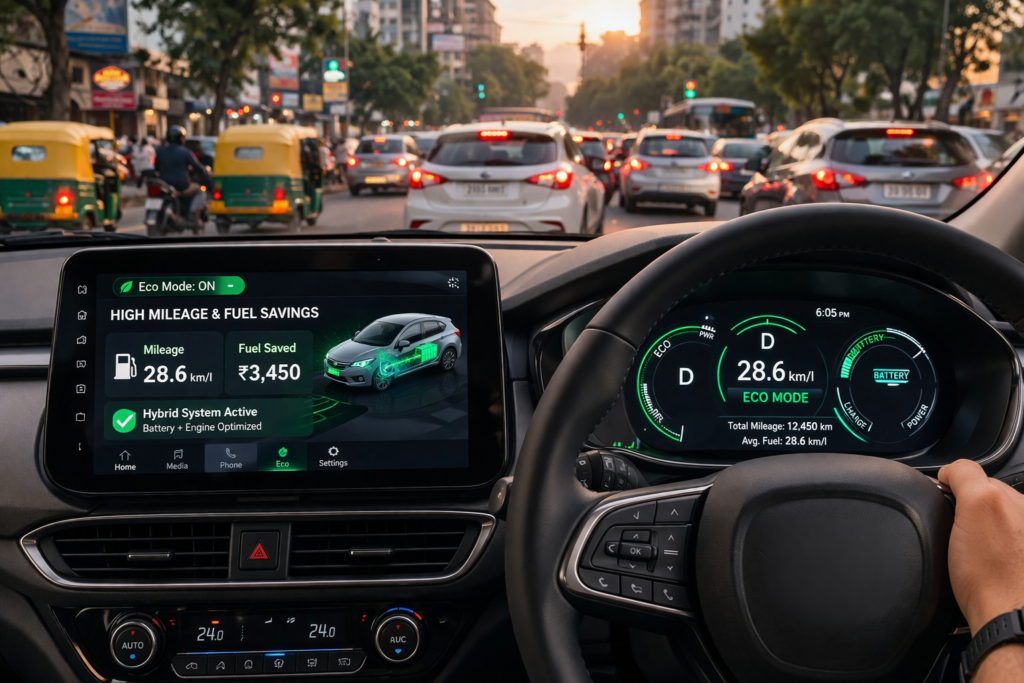
One of the biggest reasons people look at hybrids is mileage.
A Hybrid Vehicle usually offers better fuel efficiency than a regular petrol car. This is because the electric motor reduces load on the engine.
In city traffic, the difference becomes more noticeable. Stop-and-go driving uses less fuel in a hybrid.
Over time, this can lead to real savings.
Hybrid Vehicle vs Electric Vehicle
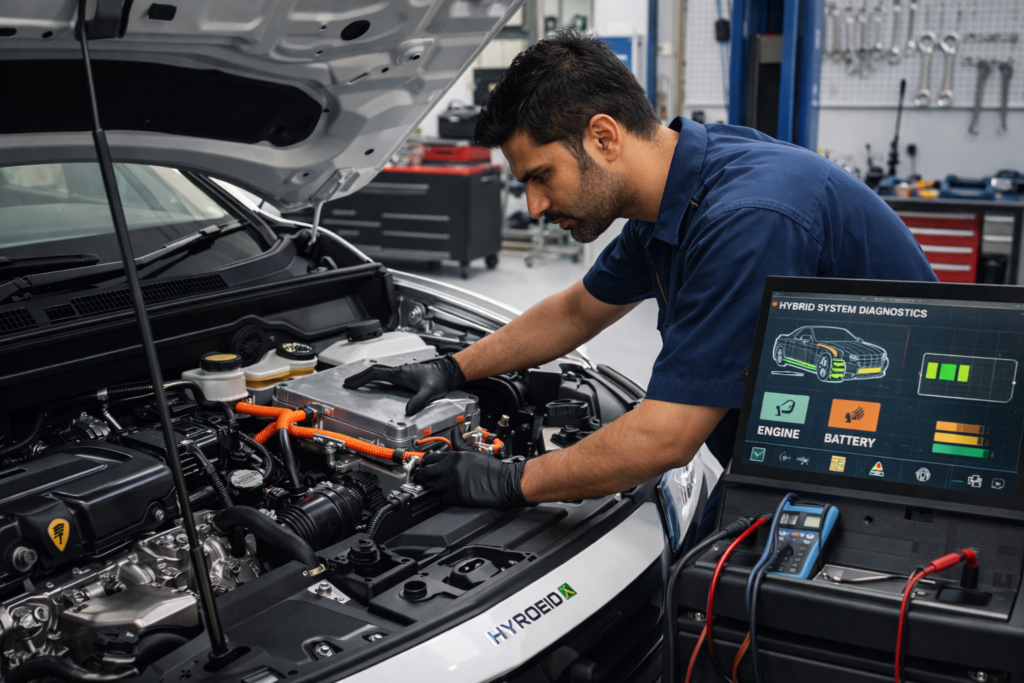
This is a common question. Should you go for a hybrid or a full electric car?
A Hybrid Vehicle does not need charging infrastructure. It charges itself while driving.
An electric car needs charging stations. This can be a challenge in some areas.
Hybrids offer flexibility. You get better mileage without worrying about charging.
Electric cars offer zero emissions but require planning.
Hybrid Vehicle in India: Current Trend
In India, hybrid cars are slowly gaining attention.
Many buyers are still cautious about full electric vehicles. Charging stations are not available everywhere.
This is where hybrids fit well. They offer a balance between traditional and modern technology.
More brands are now planning hybrid models. This shows growing demand.
Cost and Maintenance
Initial Cost
Hybrid cars can be slightly more expensive than regular cars. This is because of the extra technology.
But the gap is slowly reducing.
Running Cost
Fuel savings can balance the higher cost over time.
Maintenance is usually similar to petrol cars. Batteries are designed to last long.
So overall, the cost feels reasonable in the long run.
Comfort and Driving Experience
A Hybrid Vehicle often feels smoother in city driving.
Electric motors provide instant response. This makes acceleration feel easy.
There is also less noise, especially at low speeds. That adds to comfort.
On highways, the experience feels similar to regular cars.
Government Policies and Hybrid Vehicles
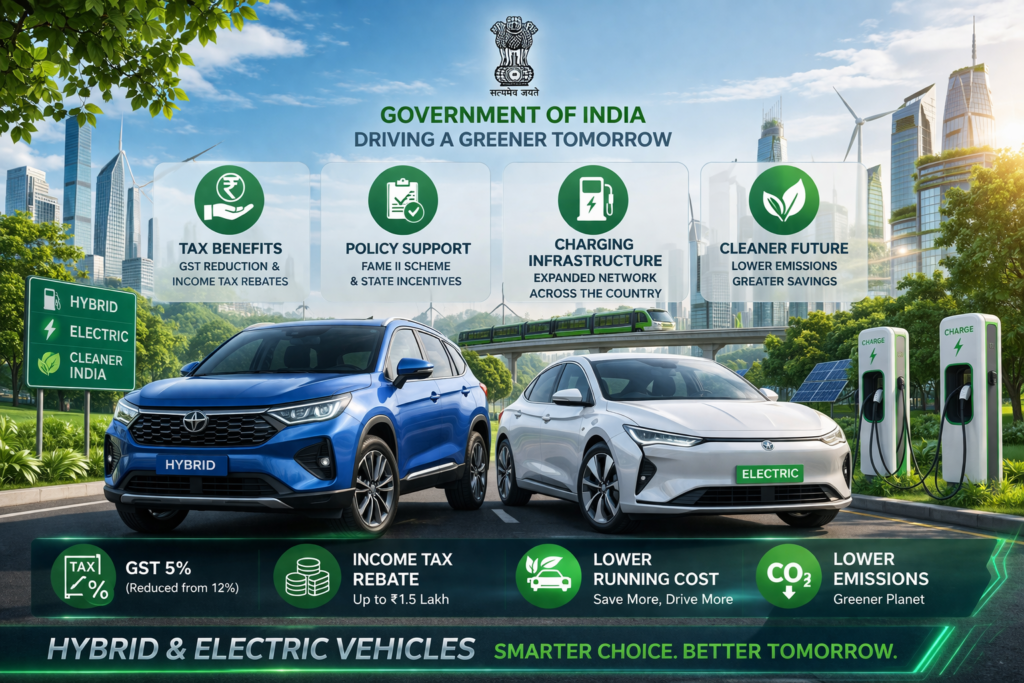
Policies are starting to support cleaner technologies.
There have been discussions about tax benefits for hybrids. Some proposals suggest reduced taxes to encourage adoption.
This can make hybrid cars more affordable.
It also shows that hybrids are being seen as a step towards cleaner mobility.
Common Myths About Hybrid Vehicles
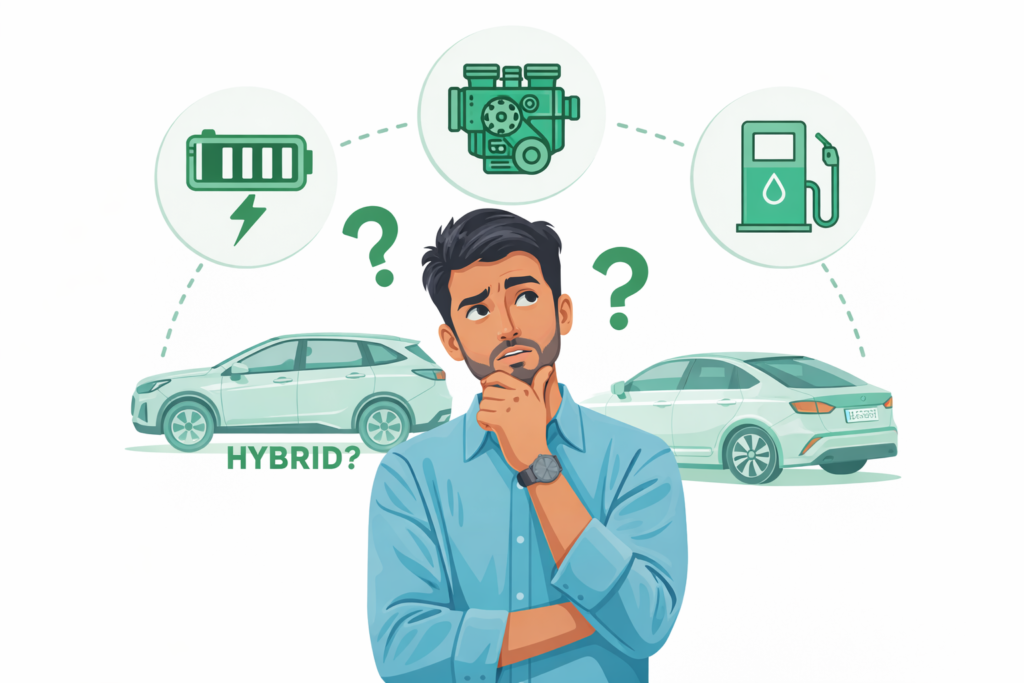
There are still some doubts around hybrid cars.
Some people think batteries will fail quickly. But modern systems are designed to last many years.
Others feel maintenance is complicated. In reality, it is quite manageable.
There is also a belief that hybrids are slow. That’s not true. Many hybrids offer good performance.
Who Should Consider a Hybrid Vehicle

A Hybrid Vehicle suits people who drive daily in city traffic.
If your routine includes stop-and-go driving, you will benefit more.
It also suits those who want better mileage without changing habits.
If charging an electric car feels difficult, a hybrid is a good middle option.
Future of Hybrid Vehicles
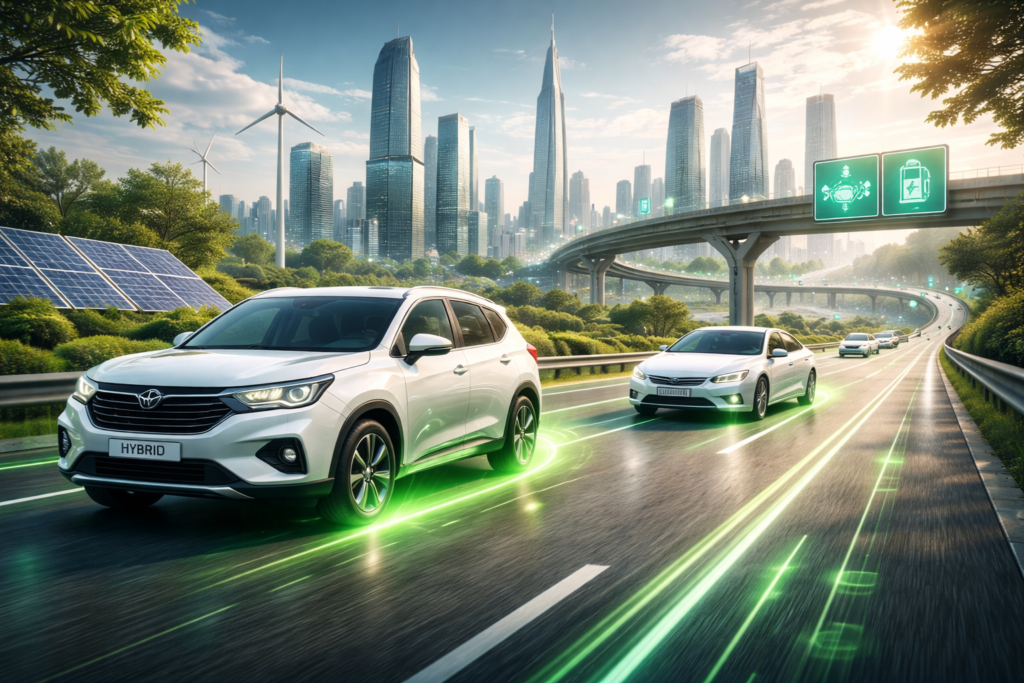
The future looks interesting for hybrid technology.
More brands are working on better systems. Efficiency will improve further.
At the same time, electric vehicles will also grow.
Hybrids may act as a bridge between petrol cars and full EVs.
Final Thoughts on Hybrid Vehicle
The Hybrid Vehicle is not just a trend. It is a practical option for today’s driving conditions.
It offers better mileage, smoother driving, and lower emissions. At the same time, it keeps things simple.
You don’t need to change your driving habits. You don’t need to worry about charging.
For many buyers, this balance makes a lot of sense.
FAQs About Hybrid Vehicle
Q1: What is a Hybrid Vehicle?
A Hybrid Vehicle uses both a petrol engine and an electric motor. It switches between them or uses both together to improve fuel efficiency and reduce emissions.
Q2: Do hybrid cars need charging?
Most hybrid cars do not need external charging. They charge their batteries using regenerative braking and the engine while driving.
Q3: Are hybrid vehicles good for city driving?
Yes, hybrid vehicles work very well in city traffic. They use electric power at low speeds, which improves mileage and reduces fuel usage.
Q4: Are hybrid vehicles expensive to maintain?
Maintenance is similar to regular cars. Hybrid batteries are designed to last long, so long-term costs are usually manageable.
Q5: Should you buy a hybrid vehicle in India?
If you want better mileage without worrying about charging, a hybrid vehicle is a practical choice, especially for daily city driving.