
By Santosh Kumar | June 17, 2026 | Last updated: June 17, 2026
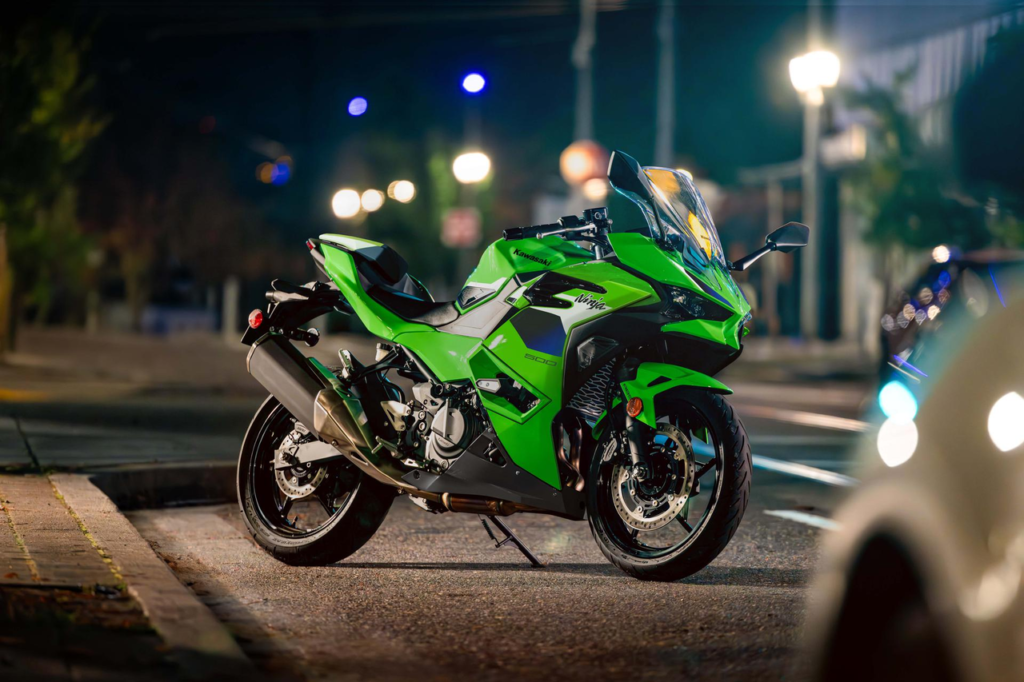
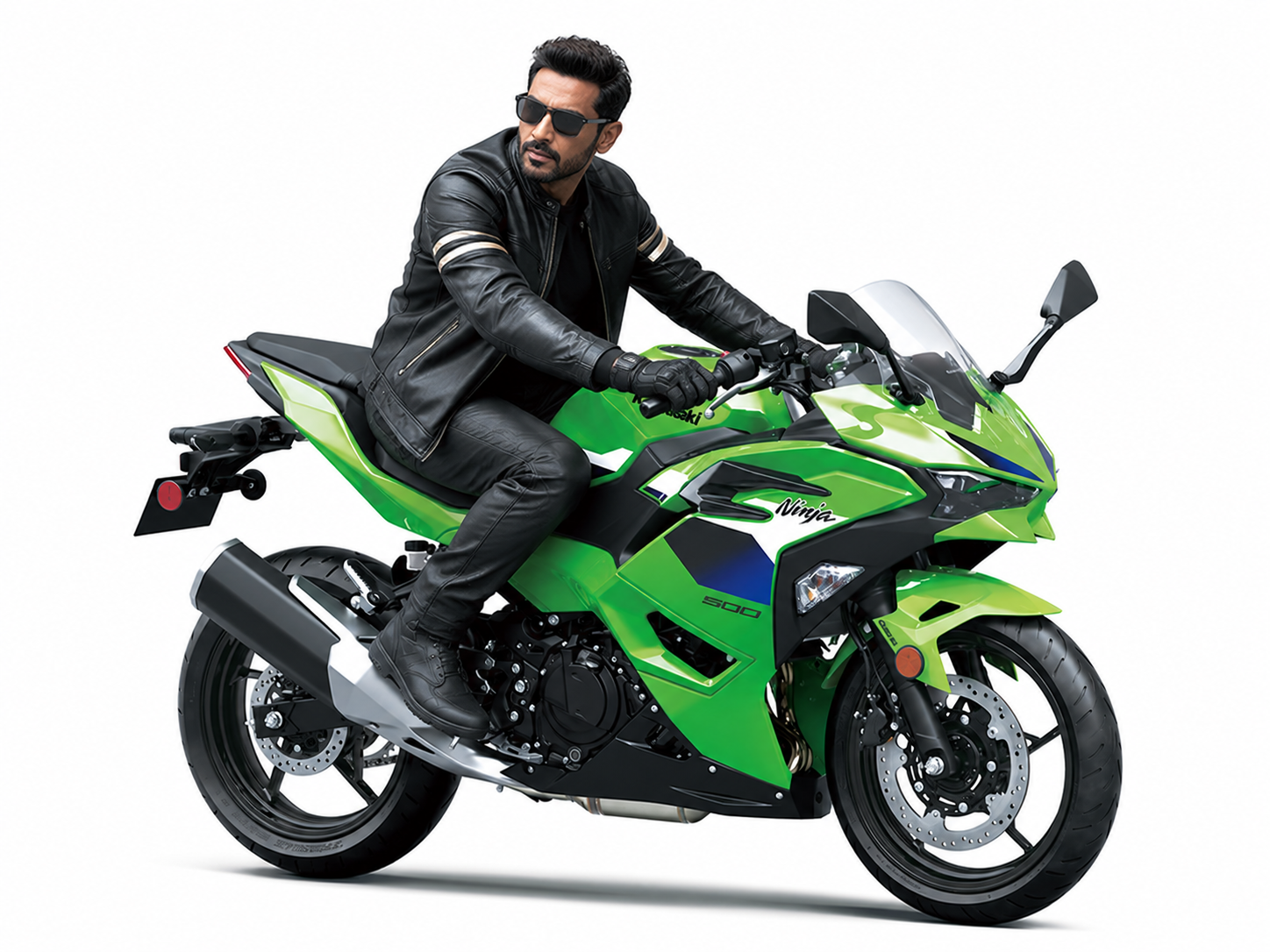
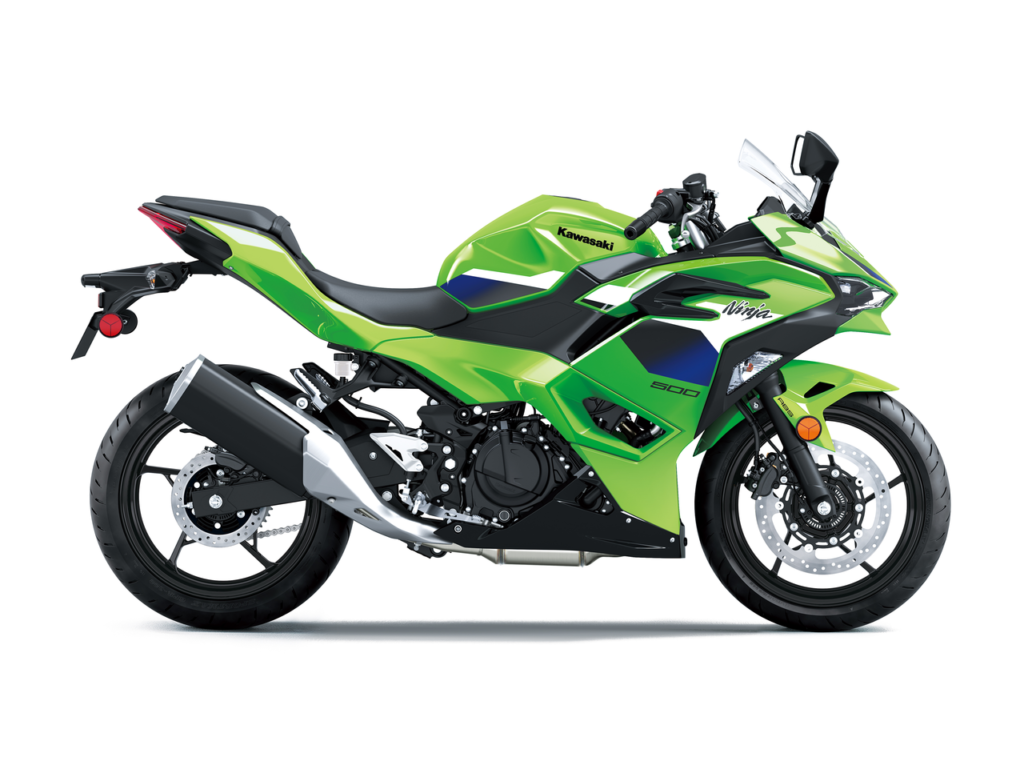
Kawasaki has launched the 2026 Kawasaki Ninja 500 in India at Rs 5.76 lakh, ex-showroom. That is Rs 10,000 more than the 2025 model. The Kawasaki Ninja 500 2026 gets two changes: a new Lime Green colour and E20 fuel compatibility. Mechanically, the bike is completely unchanged.
A few days ago there were reports that the Kawasaki Ninja 500 was headed for discontinuation in India because it was not E20 compliant and sales had slowed down. Kawasaki responded by updating the bike instead of pulling it out.
Kawasaki Ninja 500 Price in India (2026)
The Kawasaki Ninja 500 price in India for the 2026 model is Rs 5.76 lakh, ex-showroom. This is Rs 10,000 more than 2025.
The high Kawasaki Ninja 500 price has one main reason. The bike comes to India as a CBU, meaning Completely Built Unit. It is imported as a finished motorcycle and not assembled here. That brings a lot of customs duty. Also, bikes above 350cc attract 40 percent GST in India. So the price makes sense on paper, even if it is hard to accept.
Kawasaki Ninja 500 On Road Estimated Price by City
| City | Kawasaki Ninja 500 On Road Price |
|---|---|
| Delhi | Rs 6,59,960 |
| Mumbai | Rs 7,11,989 |
| Bangalore | Rs 7,12,925 |
| Pune | Rs 7,35,000 |
| Hyderabad | Rs 7,00,669 |
| Chennai | Rs 7,56,733 |
| Kolkata | Rs 6,55,389 |
| Chandigarh | Rs 6,55,167 |
| Ahmedabad | Rs 7,25,687 |
On-road price includes registration, insurance and road tax. These vary by state.
What Is New in the 2026 Kawasaki Ninja 500?
Only two changes. Nothing else.
1. Lime Green colour: Kawasaki’s famous Lime Green shade is finally on the Ninja 500. This is the same green you see on the ZX-10R and ZX-6R globally. Buyers had been asking for it since the bike first launched in India. It is here now.
2. E20 fuel compatibility: The Kawasaki Ninja 500 2026 can now run on E20 petrol, which is 20 percent ethanol blended fuel. This was required to continue selling the bike in India. Without this update the bike would have had to exit the market.
Everything else is unchanged from the 2025 model.
Kawasaki Ninja 500 Engine Specs
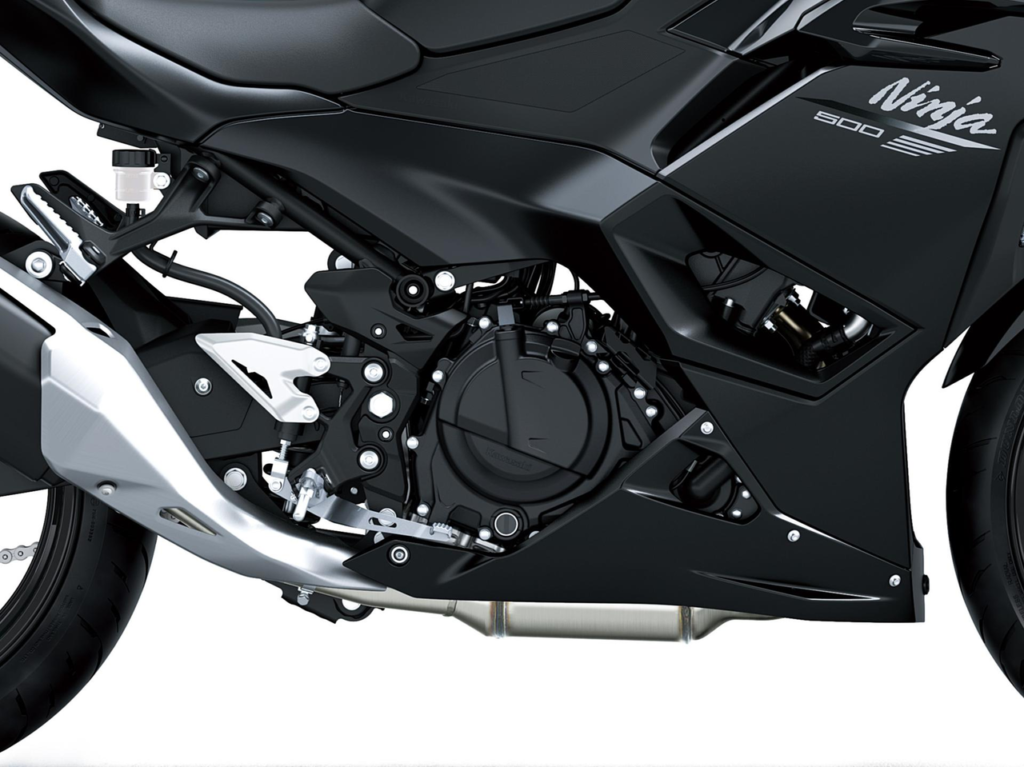
The Kawasaki Ninja 500 engine is a 451cc parallel-twin, liquid-cooled 4-stroke unit with DOHC and 4 valves per cylinder. The same engine powers the Kawasaki Eliminator, which is being discontinued because it did not get E20 compliance.
| Kawasaki Ninja 500 Engine Spec | Details |
|---|---|
| Engine type | 451cc, parallel-twin, liquid-cooled, DOHC, 4-valve |
| Bore x Stroke | 70.0 x 58.6 mm |
| Compression ratio | 11.3:1 |
| Maximum power | 45 PS at 9,000 rpm |
| Maximum torque | 42.6 Nm at 6,000 rpm |
| Fuel system | Fuel injection, 32mm x 2 |
| Fuel consumption | 3.8 litres per 100 km |
| E20 compatible | Yes |
| Gearbox | 6-speed, return shift |
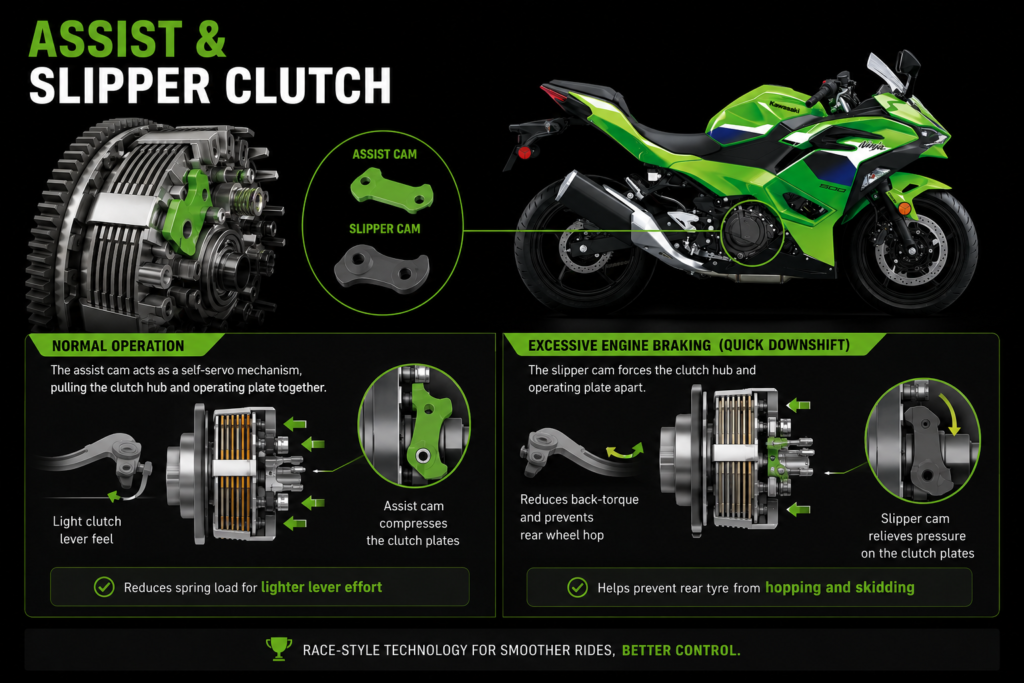
| Clutch | Assist and slipper clutch, wet multi-disc |
Power delivery is smooth and builds in a linear way through the rev range. It is not a sudden or aggressive engine. Good low to mid range pull makes it easy for city riding and comfortable on long highway stretches. Kawasaki calls this engine rider-friendly and that is an accurate description.
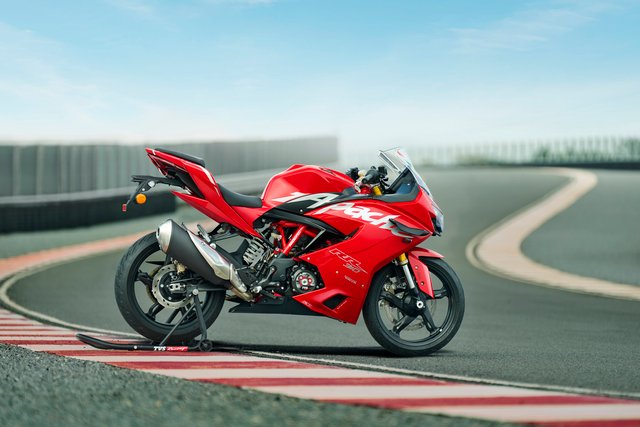
If you want to see what competition is coming for the Ninja 500, check out our coverage of the TVS Apache RR 450. Expected at around Rs 4.20 lakh with a 420cc parallel-twin from the BMW-TVS partnership, it will directly take on the Ninja 500 later this year.
Kawasaki Ninja 500 Top Speed
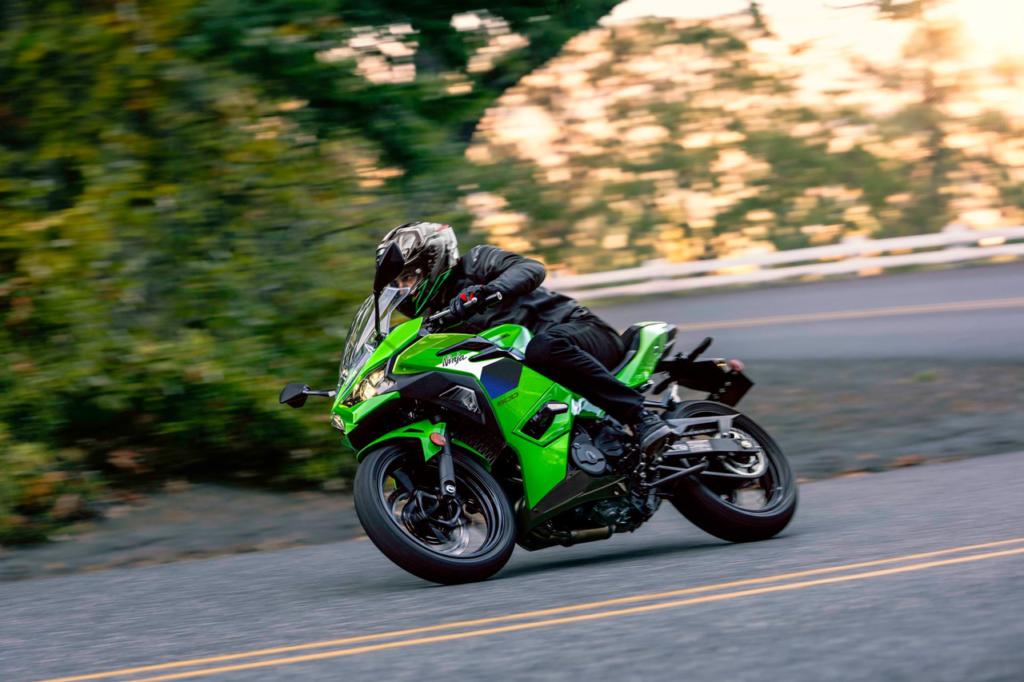
The Kawasaki Ninja 500 top speed as claimed by Kawasaki is 190 kmph. In real riding conditions on Indian roads, most owners report hitting around 170 to 180 kmph comfortably before the bike feels like it is working hard.
For comparison, check out the 2026 Suzuki Gixxer 250 which tops out around 140 to 145 kmph. The Ninja 500 gives you a big performance jump thanks to the larger 451cc twin-cylinder engine.
Kawasaki Ninja 500 Seat Height and Weight
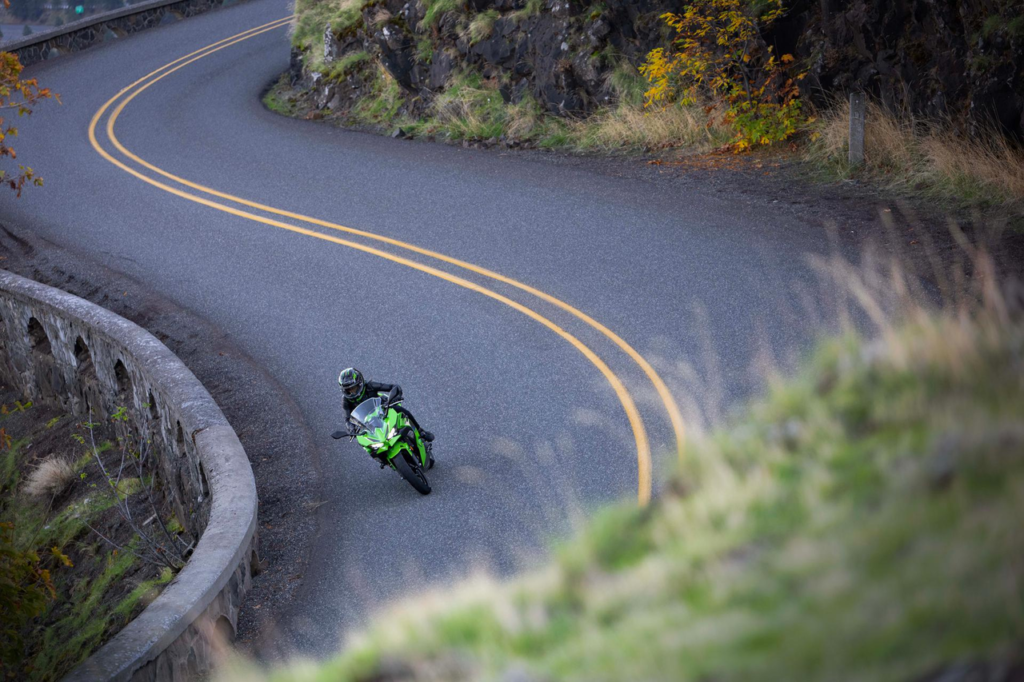
Kawasaki Ninja 500 seat height: 785mm
785mm is a very manageable seat height. If you are 5 feet 4 inches or taller you can touch the ground with at least one foot flat. Kawasaki has also kept the seat and rear section of the engine slim so there is a clear and unobstructed path for your feet to reach the ground. This helps in city traffic where you are stopping and starting a lot.
Kawasaki Ninja 500 weight: 171 kg (kerb), 157 kg (dry)
The Kawasaki Ninja 500 weight is 171 kg kerb weight with a full tank. Dry weight is 157 kg without fluids. This is very light for a liquid-cooled parallel-twin sportbike. For reference, the Triumph Bonneville 400 weighs 181 kg and the Aprilia RS 457 weighs 175 kg. The Ninja 500 is the lightest bike in the 400cc to 500cc sportbike segment in India right now.
Kawasaki Ninja 500 Full Specifications
| Specification | Kawasaki Ninja 500 2026 |
|---|---|
| Engine | 451cc, parallel-twin, liquid-cooled, DOHC |
| Bore x Stroke | 70.0 x 58.6 mm |
| Compression ratio | 11.3:1 |
| Maximum power | 45 PS at 9,000 rpm |
| Maximum torque | 42.6 Nm at 6,000 rpm |
| Fuel consumption | 3.8 l/100km |
| Gearbox | 6-speed, return shift |
| Clutch | Assist and slipper, wet multi-disc |
| Frame | High-tensile steel trellis |
| Rake | 24.5 degrees |
| Trail | 92 mm |
| Wheelbase | 1,375 mm |
| Ground clearance | 145 mm |
| Front suspension | Telescopic fork, 41mm diameter, 120mm travel |
| Rear suspension | Bottom-link Uni-Trak, gas-charged shock, spring preload adjustable, 130mm travel |
| Front brake | Single semi-floating disc, 310mm, balanced actuation dual-piston caliper |
| Rear brake | Single disc, 220mm, dual-piston caliper |
| ABS | Dual-channel |
| Front tyre | 110/70R17 M/C 54H |
| Rear tyre | 150/60R17 M/C 66H |
| Dimensions (L x W x H) | 1,995 x 730 x 1,120 mm |
| Seat height | 785 mm |
| Kerb weight | 171 kg |
| Dry weight | 157 kg |
| Fuel tank | 14 litres |
| Top speed | 190 kmph |
| E20 compliant | Yes |
| Colour | Lime Green |
| Price | Rs 5.76 lakh, ex-showroom India |
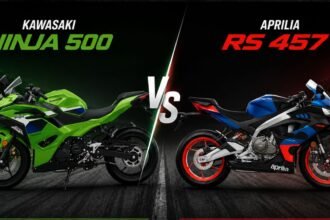
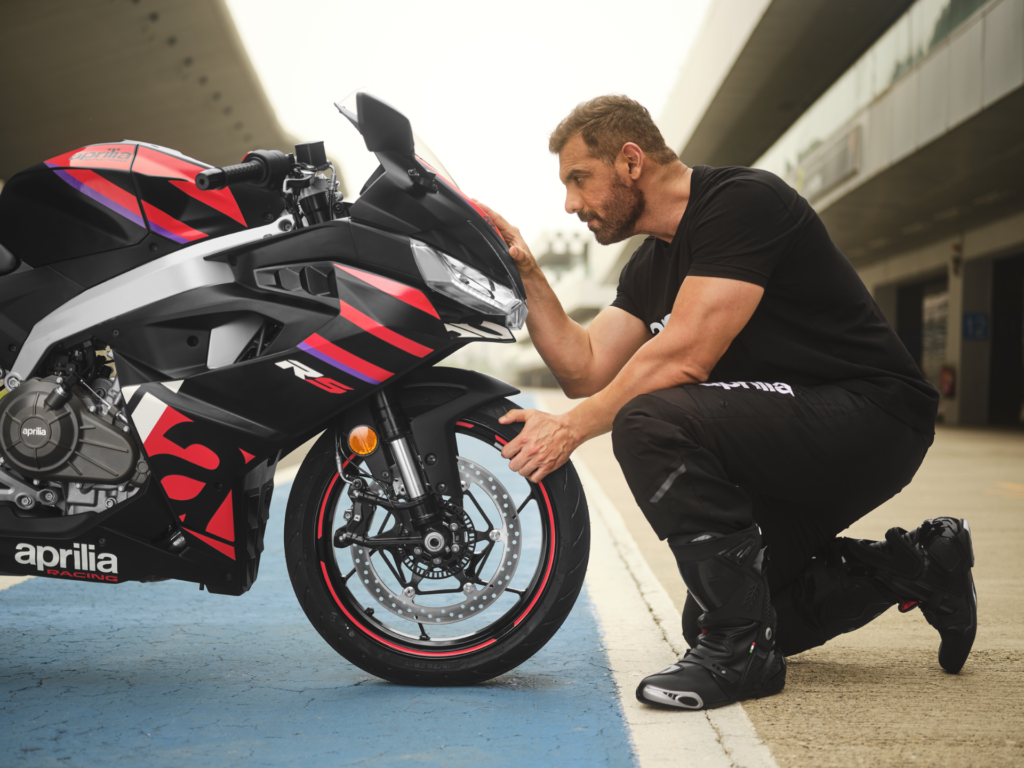
Kawasaki Ninja 500 vs Aprilia RS 457: Quick Look
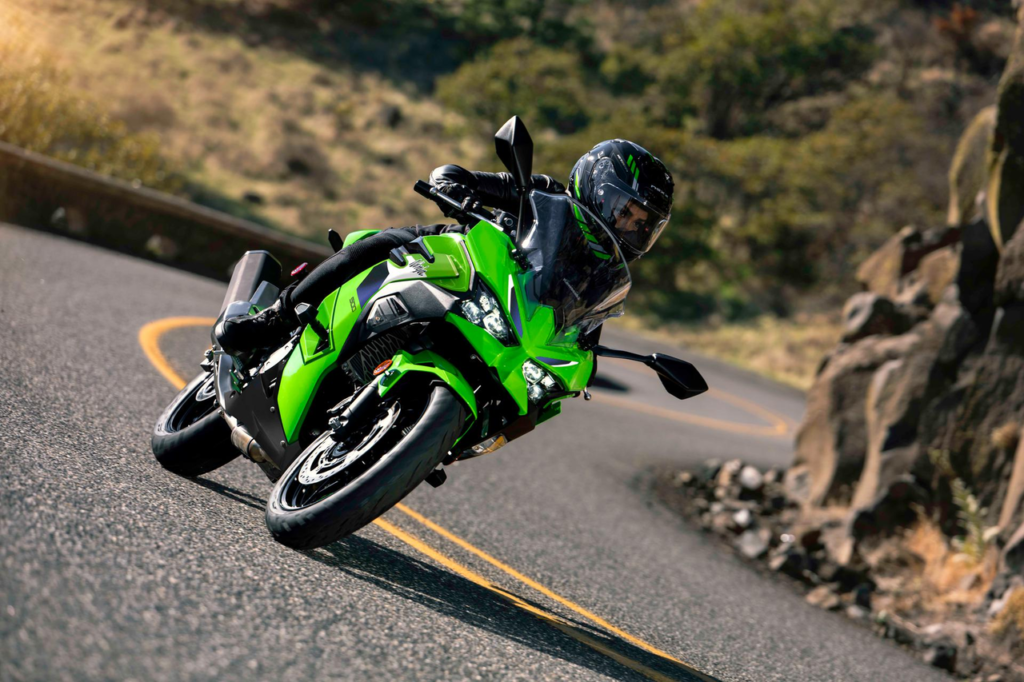
| Kawasaki Ninja 500 | Aprilia RS 457 | |
|---|---|---|
| Price | Rs 5.76 lakh | Rs 4.22 to 4.37 lakh |
| Engine | 451cc, parallel-twin | 457cc, parallel-twin |
| Power | 45 PS at 9,000 rpm | 47.6 PS |
| Weight | 171 kg kerb | 175 kg |
| Seat height | 785mm | 820mm |
| USD forks | No | Yes |
| Traction control | No | Yes |
| Riding modes | No | Yes |
Short version: Ninja 500 is lighter and has a lower seat. Aprilia RS 457 is Rs 1.5 lakh cheaper and has much better electronics and suspension.
For the full detailed comparison with real-world performance, service cost breakdown and which one to actually buy, read our Kawasaki Ninja 500 vs Aprilia RS 457 full comparison. Coming soon on Neemoto.
Chassis and Frame
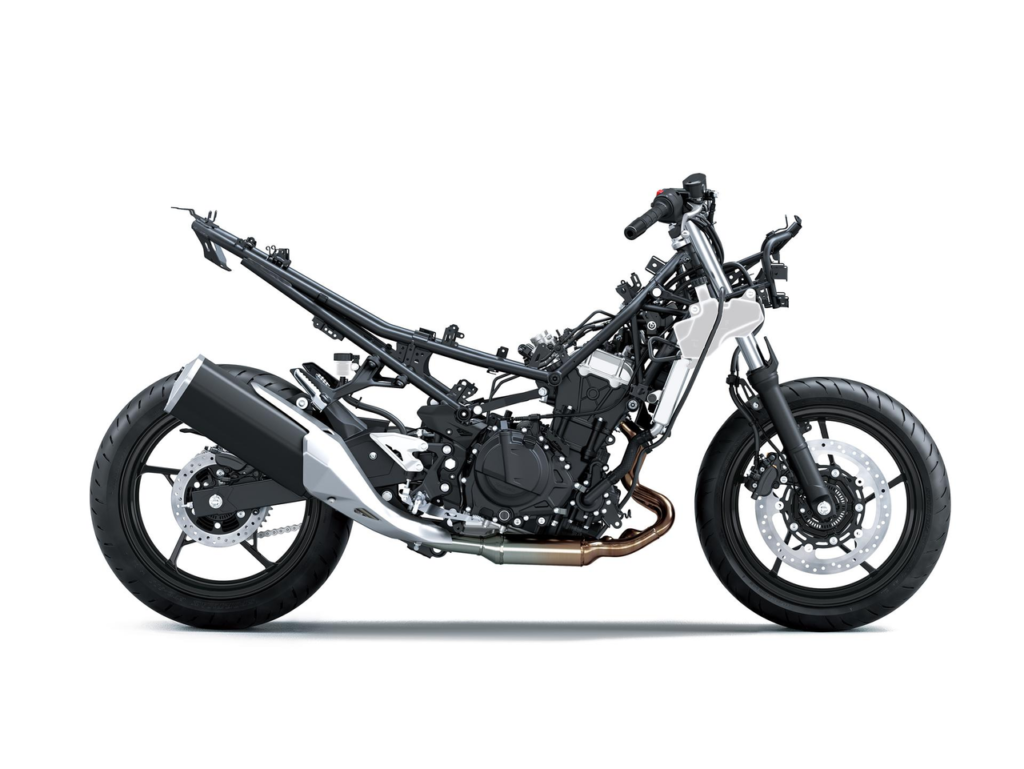
The Kawasaki Ninja 500 uses a high-tensile steel trellis frame. Kawasaki says this frame design is similar in concept to the frame used on the Ninja H2. The engine is rigid-mounted and used as a stressed member of the frame, which helps keep the overall weight low.
The chassis uses a supersport-style short wheelbase and long swingarm design at 1,375mm wheelbase. This gives the bike a nimble and responsive feel when changing direction. Ground clearance is 145mm which is adequate for most Indian road conditions.
Suspension and Brakes
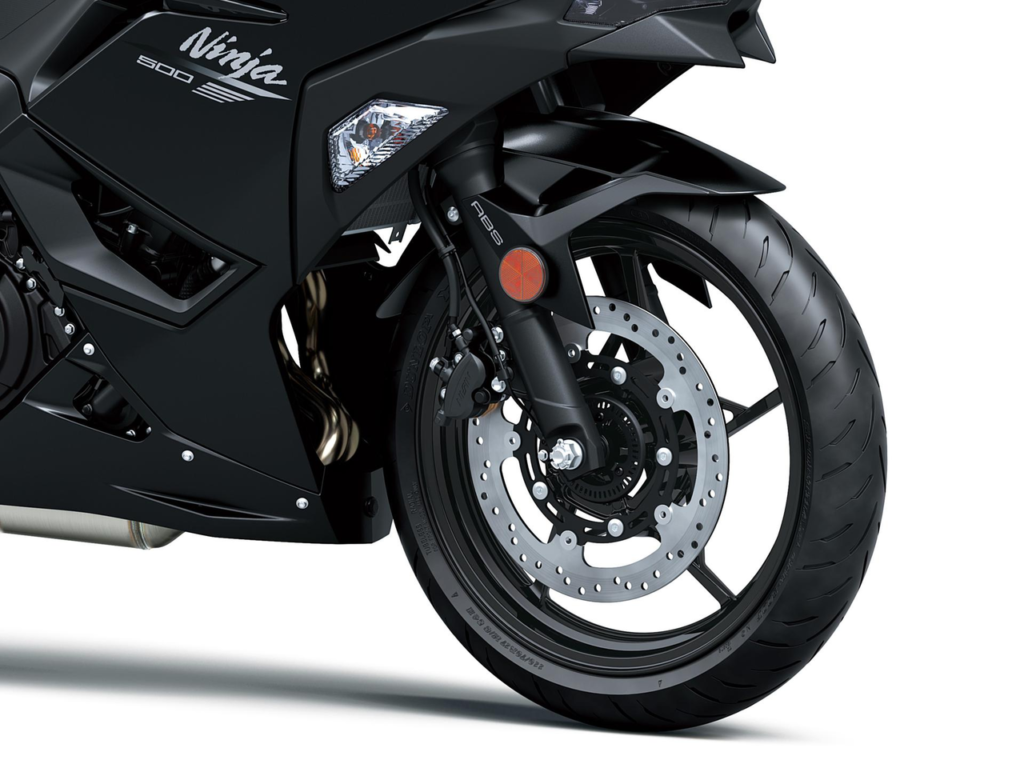
Front suspension: 41mm conventional telescopic forks with 120mm of travel. The Aprilia RS 457 uses upside-down USD forks which are higher quality. Kawasaki kept conventional forks here to keep costs and weight down. At normal road speeds it is not a major issue. On rough highways you will feel the difference compared to USD units.
Rear suspension: Bottom-link Uni-Trak system with a gas-charged shock absorber. Spring preload is adjustable. Travel is 130mm. The Uni-Trak linkage system is a Kawasaki signature and gives good rear wheel control over bumps.
Front brake: Single semi-floating 310mm disc with balanced actuation dual-piston caliper. Kawasaki points out that this is the same disc size used on the Ninja ZX-14R, which is a much heavier litre-class motorcycle. Good stopping power for a 171kg bike.
Rear brake: 220mm disc with dual-piston caliper.
ABS: Dual-channel ABS is standard. Cannot be switched off at the rear, which is a limitation for experienced riders but not a problem for everyday use.
Features
Smartphone connectivity: The Ninja 500 connects to your phone via Bluetooth using the RIDEOLOGY THE APP. You can view vehicle information like odometer and fuel level, check riding logs, and receive call and message notifications on the instrument panel.
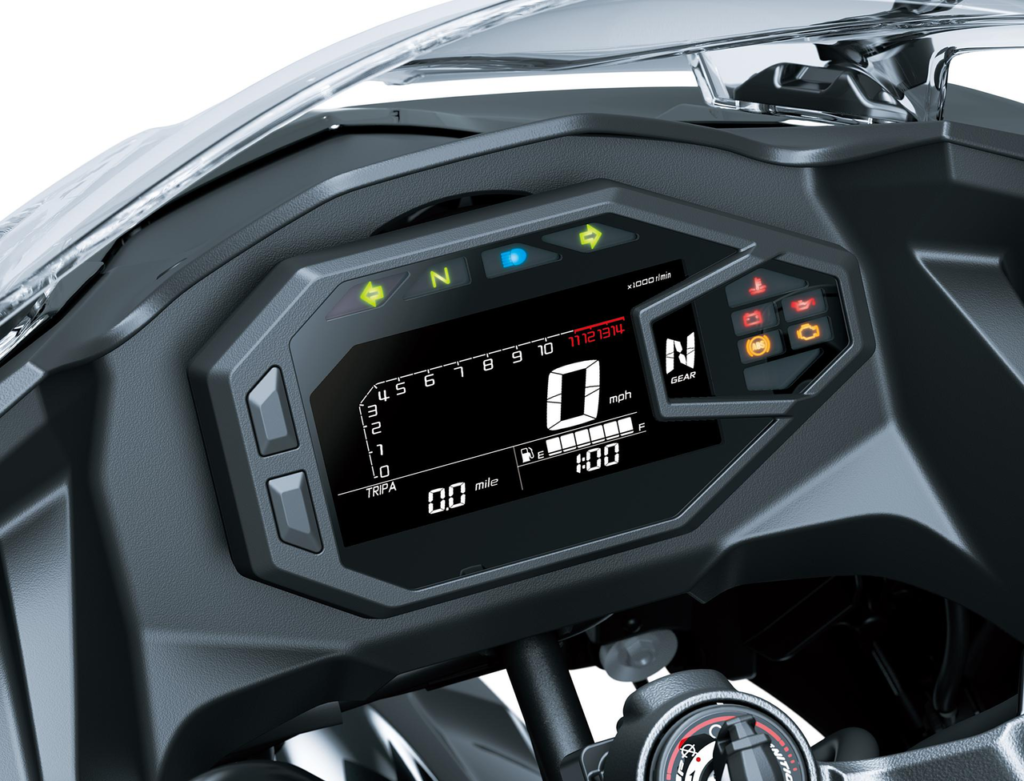
LCD instrument panel: Negative LCD display. Clear and readable in most lighting conditions. Includes an ECO indicator that tells you when you are riding in a fuel-efficient manner.
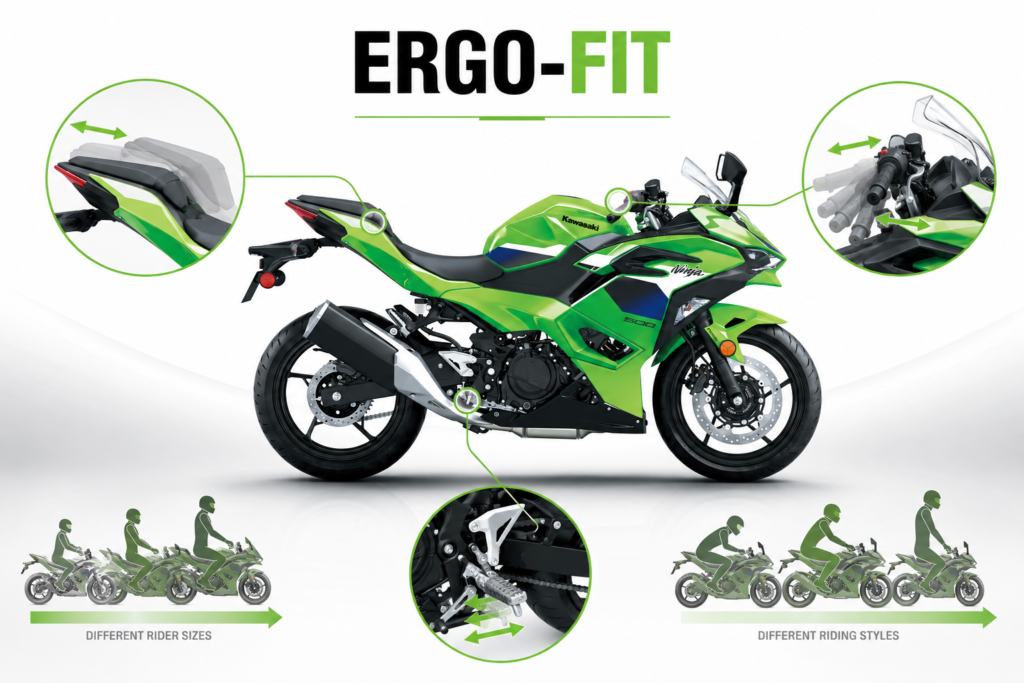
ERGO-FIT system: Kawasaki’s ergonomic adjustment system. The handlebar, footpeg and seat interface points can be adjusted for different rider sizes and riding styles.
Assist and slipper clutch: Light clutch pull for easy city riding. Slipper function prevents rear wheel hop during aggressive downshifts on spirited rides.
All-LED lighting: Front and rear.
What is missing: traction control, riding modes, quick shifter, TFT display, USB charging. For Rs 5.76 lakh, these omissions are hard to accept.
Kawasaki Ninja 500 Colours
The 2026 model is currently listed in one colour on the official Kawasaki India website:
- Lime Green: The classic Kawasaki racing livery. This is the main reason most buyers will go for the 2026 model specifically.
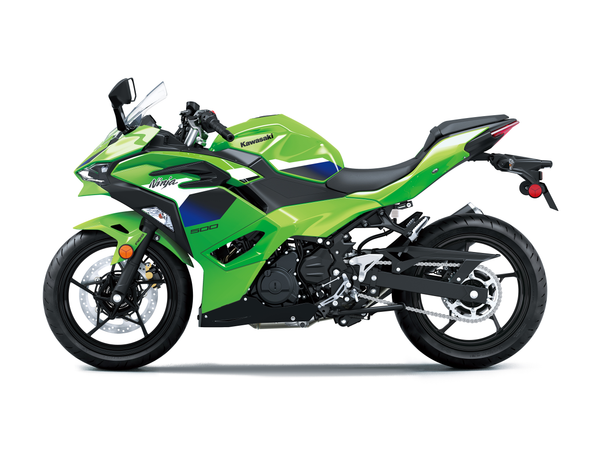
Previous colour options (Metallic Spark Black, Pearl Robotic White) may still be available through dealers on remaining 2025 stock.
Kawasaki Eliminator Discontinuation
The Kawasaki Eliminator uses the same 451cc parallel-twin engine as the Ninja 500. But Kawasaki did not update the Eliminator with E20 compliance. Once existing stock is sold, the Eliminator will exit India. The Ninja 500 becomes the only motorcycle in India carrying this engine going forward.
How It Fits in the Indian Market
The Kawasaki Ninja 500 sits in a small but growing segment of fully-faired middleweight sportbikes in India. Here is the broader picture:
Direct sportbike rivals: Aprilia RS 457 at Rs 4.22 to 4.37 lakh. The upcoming TVS Apache RR 450 expected at Rs 4.20 lakh.
Different segment but same buyer pool: Triumph Bonneville 400 for the retro roadster crowd. Full Royal Enfield lineup detailed in our Royal Enfield 2026 guide for classic cruiser buyers.
At Rs 5.76 lakh, the Ninja 500 has no direct Japanese brand competitor in India in this displacement and price range right now.
Neemoto Verdict
The 2026 Kawasaki Ninja 500 is a minimal but necessary update. E20 compliance keeps it road-legal in India. Lime Green gives buyers something exciting to look at.
The core issue with the Kawasaki Ninja 500 price in India remains unsolved. Rs 5.76 lakh for a bike with no electronics, conventional forks and non-switchable ABS is a tough sell when the Aprilia RS 457 does similar things at Rs 1.5 lakh less. CBU import duties are the villain here, not Kawasaki’s engineering.
If you want the Kawasaki badge, the Lime Green paint and the accessible parallel-twin character, this is a solid, dependable and rewarding motorcycle to own. It is simple, light, easy to live with and looks properly premium in person.
Buy it with your heart. Just go in knowing exactly what you are getting and what you are leaving on the table.
Neemoto Rating: 3.5 out of 5
FAQ: Kawasaki Ninja 500 2026
What is the Kawasaki Ninja 500 price in India for 2026? Rs 5.76 lakh, ex-showroom. On-road prices vary by city. Delhi on-road is around Rs 6.59 lakh. Mumbai on-road is around Rs 7.11 lakh.
What is the Kawasaki Ninja 500 top speed? Claimed top speed is 190 kmph. Most owners in India report 170 to 180 kmph in real riding.
What is the Kawasaki Ninja 500 seat height? 785mm. One of the lowest seat heights in the 500cc sportbike segment.
What is the Kawasaki Ninja 500 weight? 171 kg kerb weight with full tank. Dry weight is 157 kg.
What are the Kawasaki Ninja 500 engine specs? 451cc parallel-twin, liquid-cooled engine. 45 PS at 9,000 rpm and 42.6 Nm at 6,000 rpm. 6-speed gearbox with assist and slipper clutch. Fuel consumption is 3.8 litres per 100 km.
Is the 2026 Kawasaki Ninja 500 E20 fuel compatible? Yes. Fully E20 compliant as per the official Kawasaki India listing.
What is new in the 2026 Kawasaki Ninja 500? Lime Green colour and E20 fuel compatibility. No mechanical changes from 2025.
How does the Kawasaki Ninja 500 compare to Aprilia RS 457? Ninja 500 is lighter and has a lower seat height. Aprilia RS 457 costs Rs 1.5 lakh less and offers traction control, riding modes and USD forks. Full comparison article coming soon on Neemoto. Read our Kawasaki Ninja 500 vs Aprilia RS 457 article when it is live.